Husband and Wife
I was at a Sudanese-Palestinian-American wedding this past August. I loved the weaving of the two cultures during that night. We were presented a Palestinian dabke show by the younger brother of the bride. The show was full of power and strength. The amount of pride they had on the dance floor was palpable. They soared through the sky with the self-dignity any Palestinian has and hit the ground with their feet with all their might. And after that, the Sudanese presented the music they play at their weddings. This was something I was not aware of before. Their music, in contrast to the Palestinian dabke music was uplifting and full of joy. You feel like life is perfect, and in a total high of a vibe. There was nothing like it.
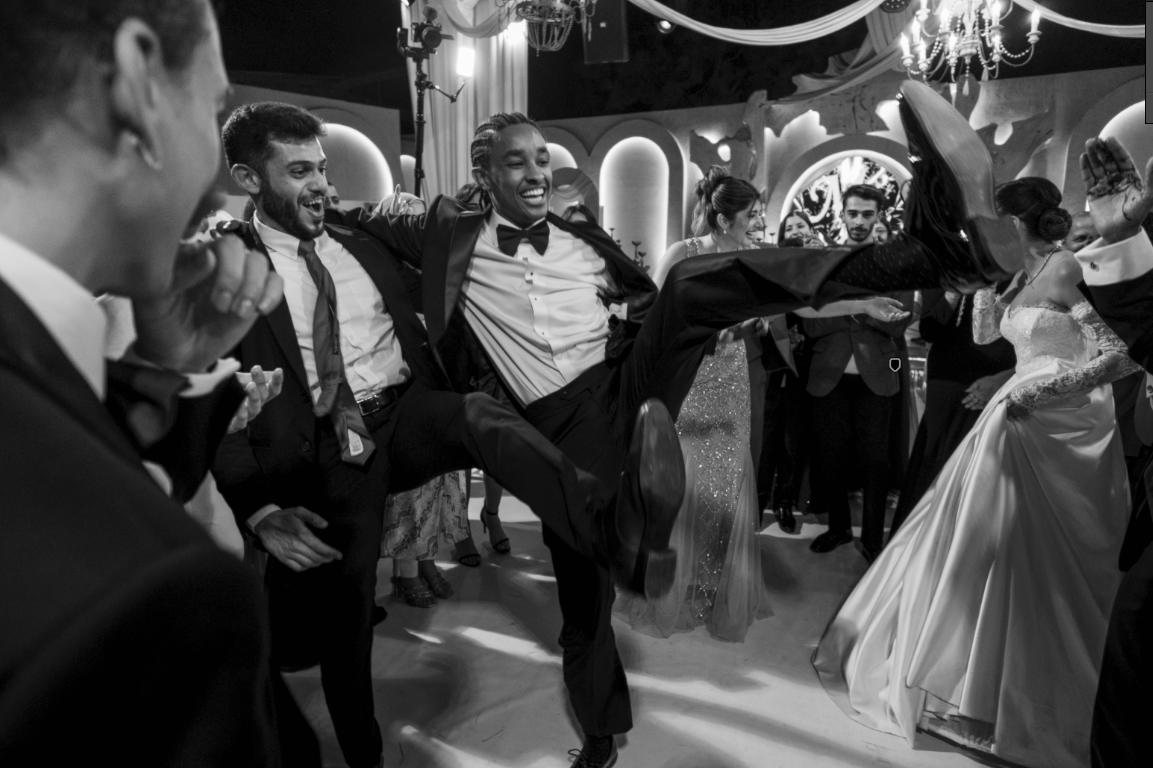
A small snippet of the beautiful night in August
It was there where I found Faisal, a good friend of the bride’s family, and a friend of mine as well. I mentioned what projects I was working on, including my project on Palestinian grandparents. He mentioned that both of his paternal grandparents experienced 1948 in Palestine and had stories to tell. A few months later, I was in their home in Um Uthaina listening to their stories.
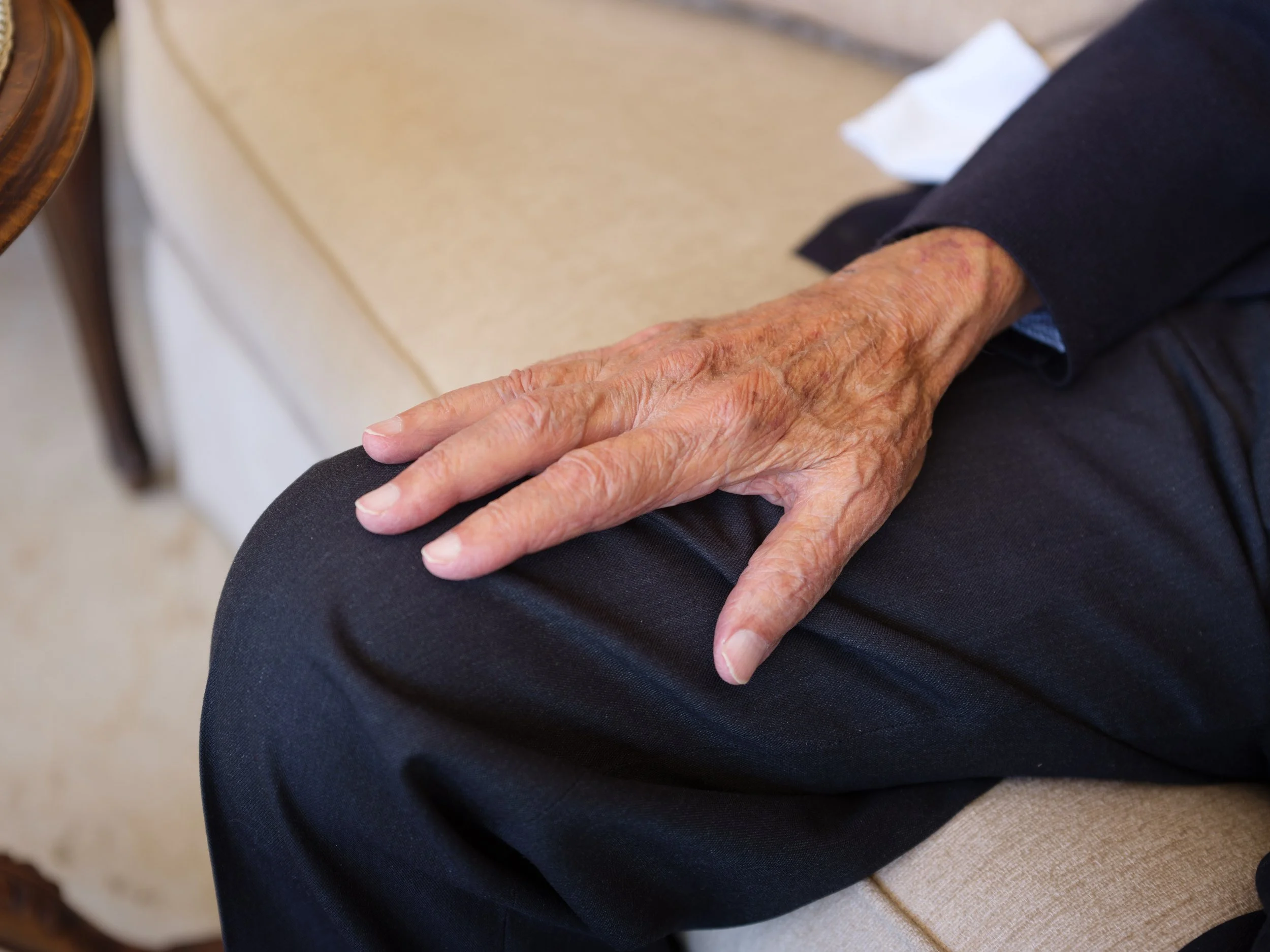
Sufian Al Alami was expelled out of his homeland, and has very clear and vivid stories of when he left his home. We sat for about an hour listening to his pain that has stayed with him for decades. He remembers the names of those who were around him, and can tell you day by day what happened. Like many others like him, he stayed steadfast in his desire to live an honorable life working as a banker and later opening up the well known Al Alami Currency Exchange in Amman. I asked him what lessons he taught his children, and he had an eloquent answer and was able to pop in a line of poetry as well. I saw a man full of respect and strength, and I thank him for his time to share his story.
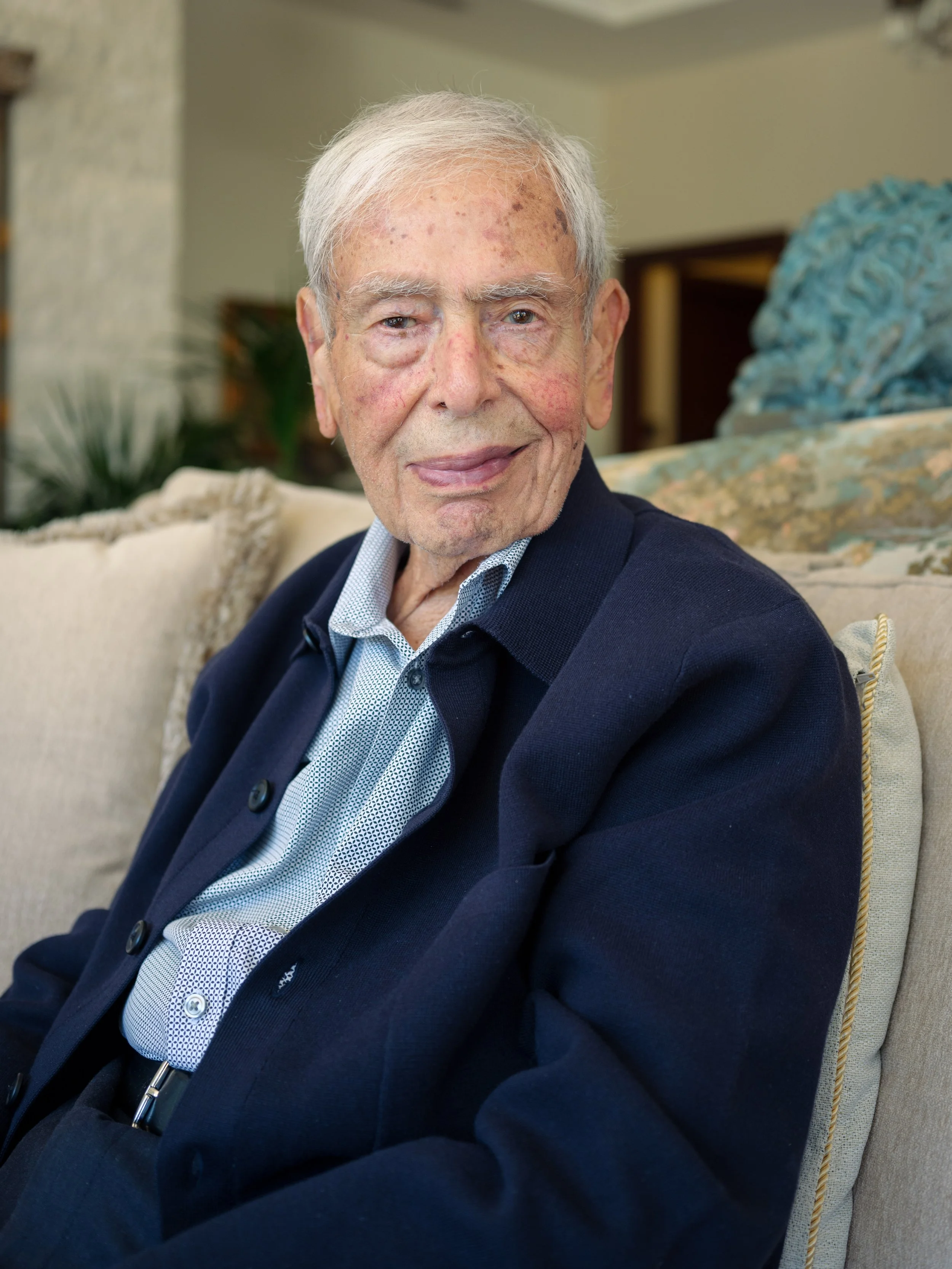
Sufian Al Alami
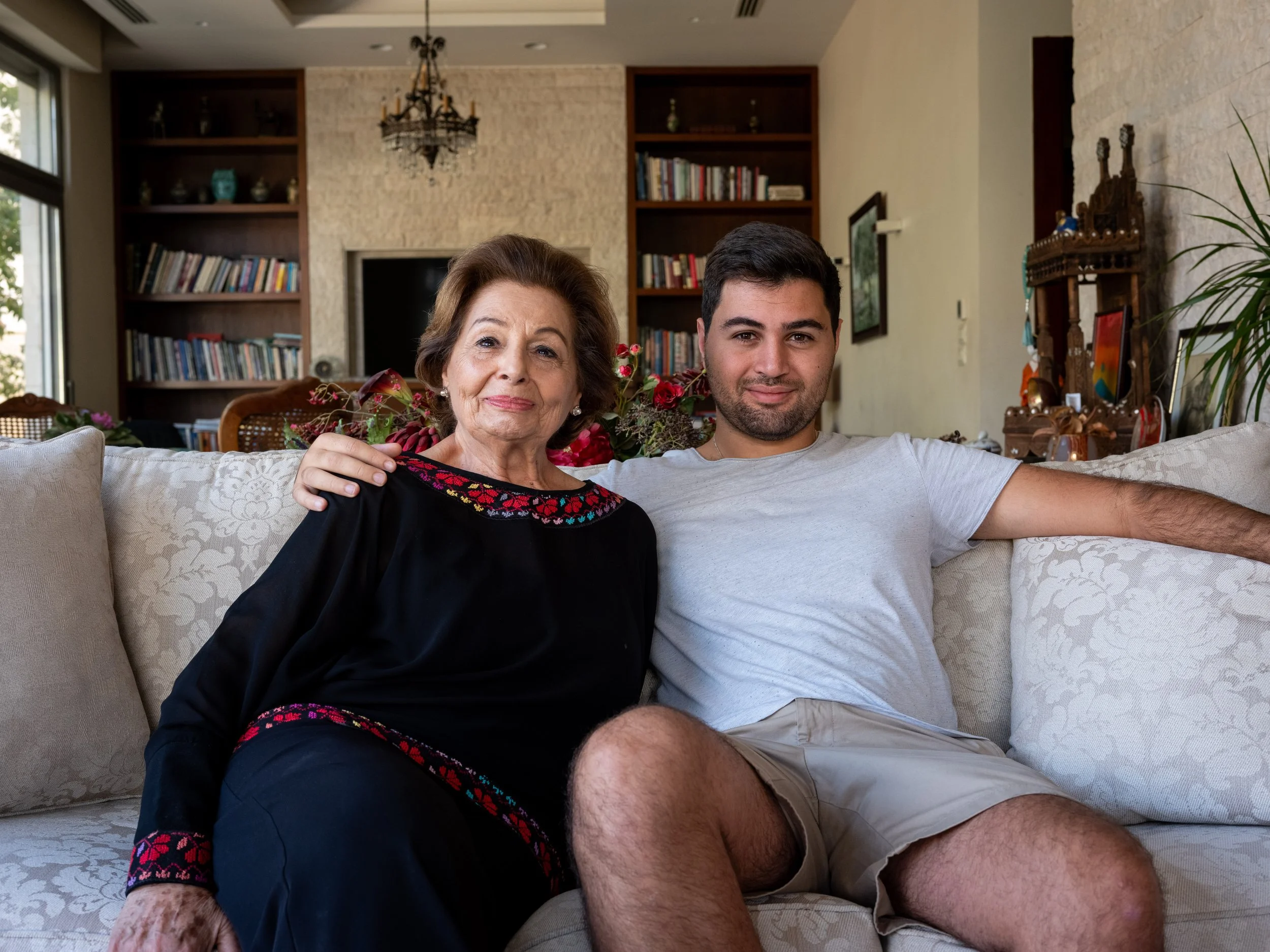
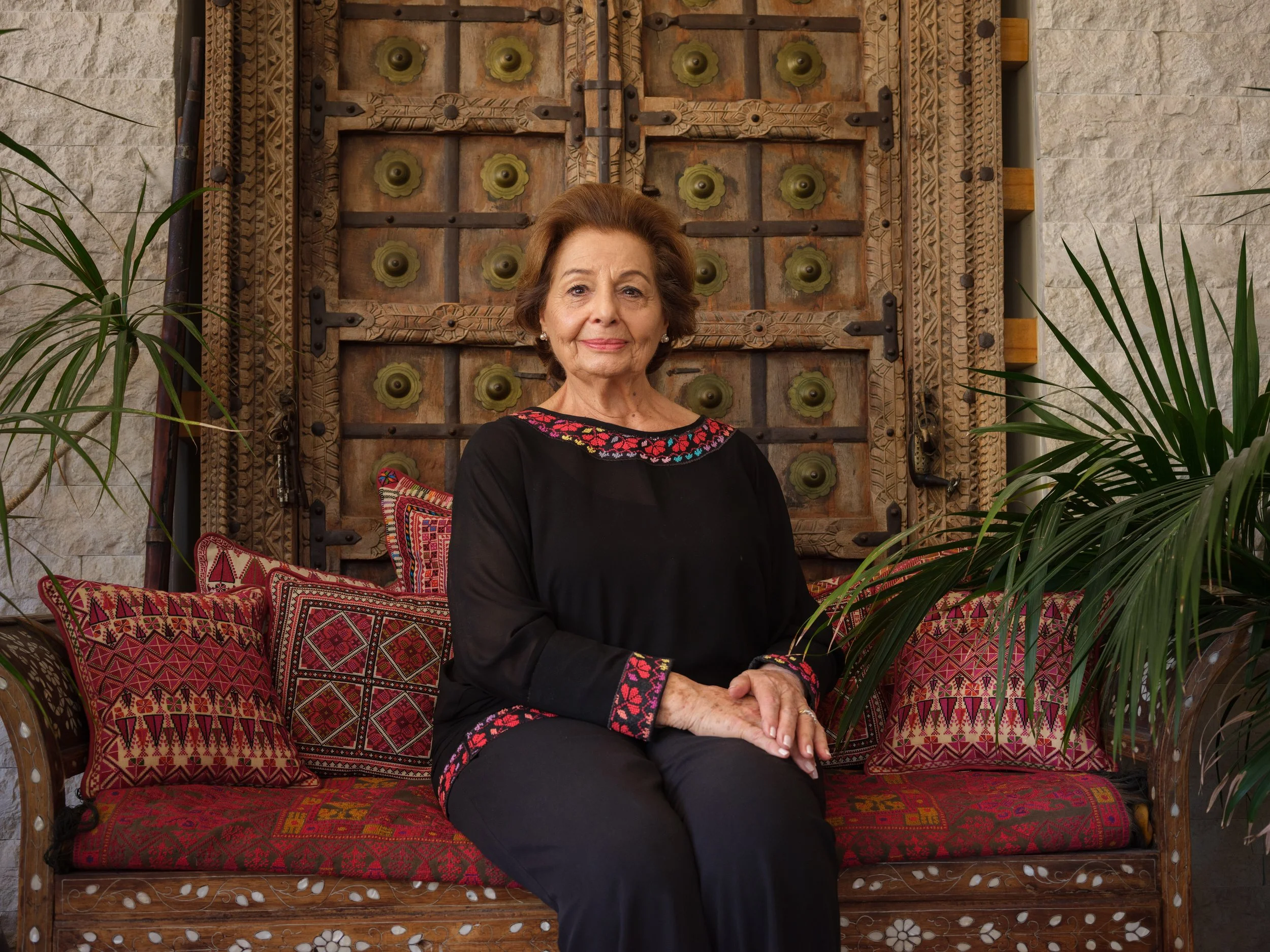
Then came Faisal’s grandmother. A woman full of elegant energy dressed in Palestinian embroidery. She greeted me at the door with enthusiasm, knowing that her and I, similar to Faisal, share an alma mater. While Faisal and I went to the same high school, him a couple years after me, she and I went to the same university, her a few decades before me in Washington, DC.
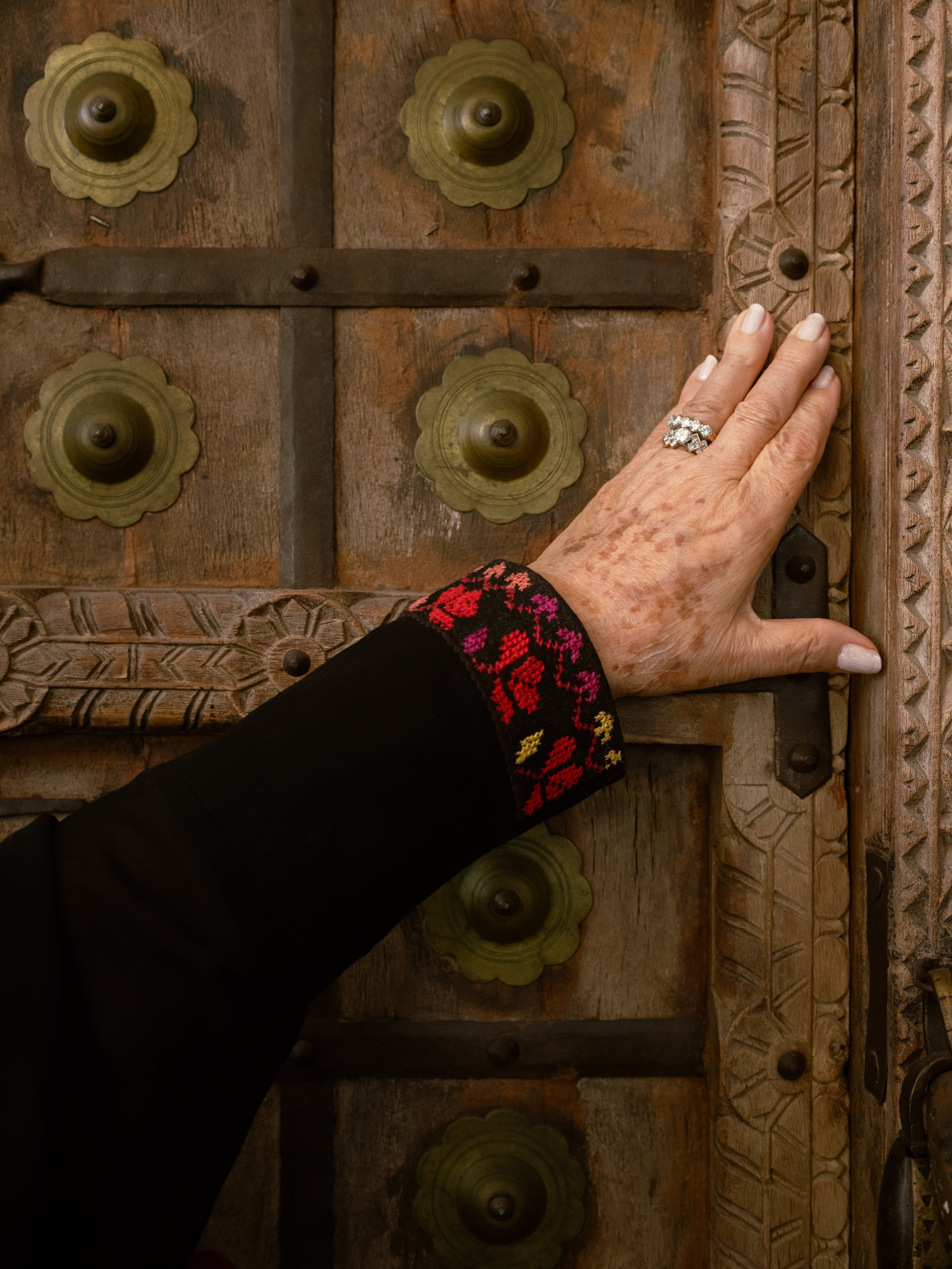
She was very happy to have me and to hear about this initiative. After speaking with Seedo Sufian, we sat down at her favorite part of her house, a curated seating area to show a wooden door and embroidered pillows with Palestinian tatreez.
She shared her story of leaving her home. In comparison to her husband, who remembered all details of his departure, she has no recollection of how she got from her home in Palestine to the tents in Sweileh in Jordan. She found a life outside of the Arab world, in London, where she grew up away from her homeland, yearning to go back.
In her British accent she expressed her motherly heartbreak and anger to two years of genocide to me and the camera. She showed me a book. A collection of poems gathered from poets all around, all for Palestine. She read a few poems she had in the book, and then recited one of her earliest poems she had written a long time ago. Poetry was her way of expressing what she felt towards her homeland. And like that, two people had shared poetry with me in one day.
After we read the poems, she shared her family photos. It will always feel magical to be able to see a photo of someone when they were younger.
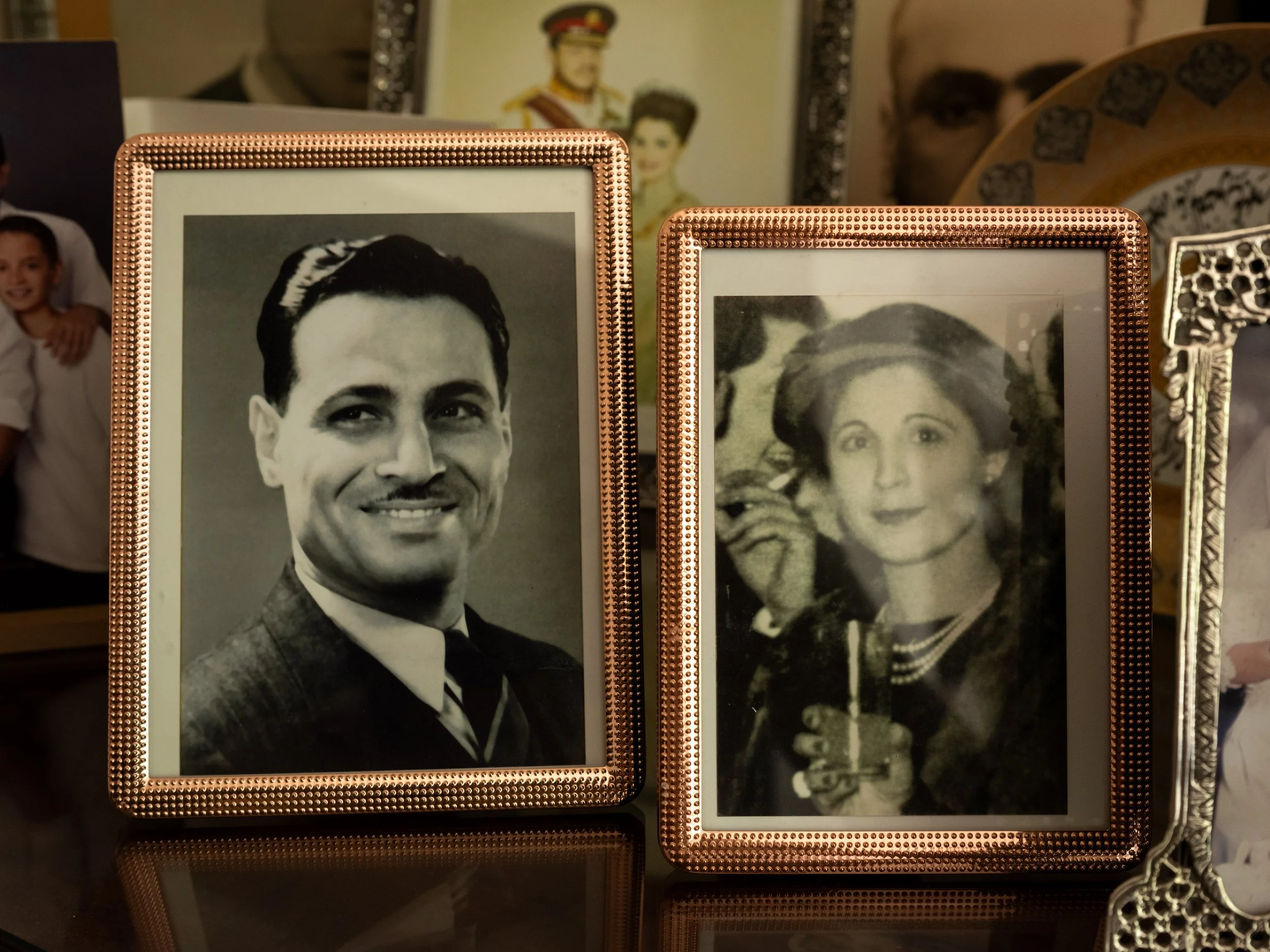
Teta Reema’s parents
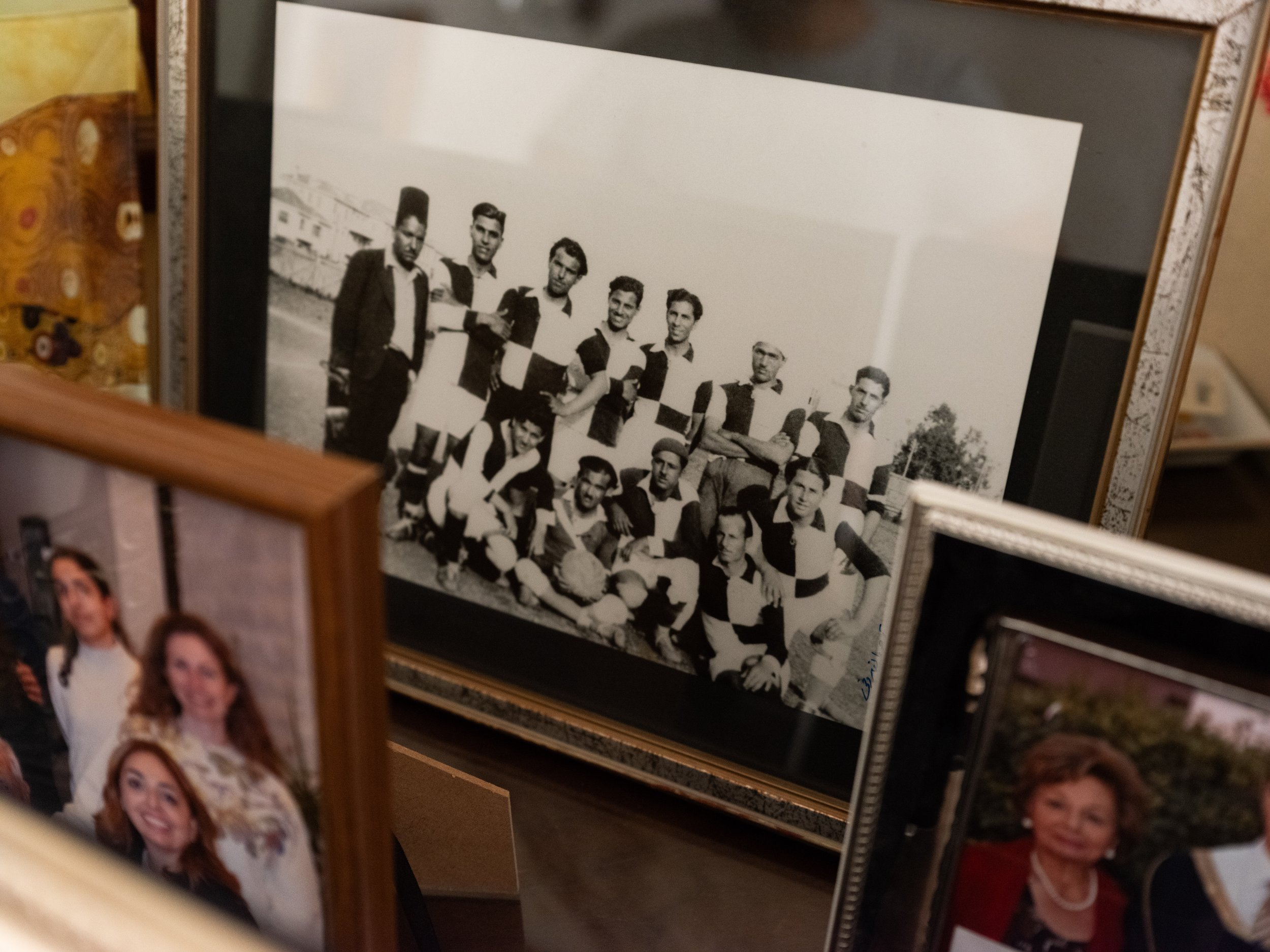
Teta Reema’s father, Faisal’s great grandfather in his local football team in Ramle. According to Teta Reema, he was scouted by Manchester United but he refused to join them. He is fourth from the left, top row.
She then shared with me on the dining table artworks painted by a dear friend of theirs and a prominent Palestinian artist by the name of Ismail Shammout. As I examined the prints of paintings, I noticed this painter’s great number of works that explore all facets of Palestinian life. I saw symbols of agriculture, despiar, abstract interpretations of Palestinian culture, and many faces.
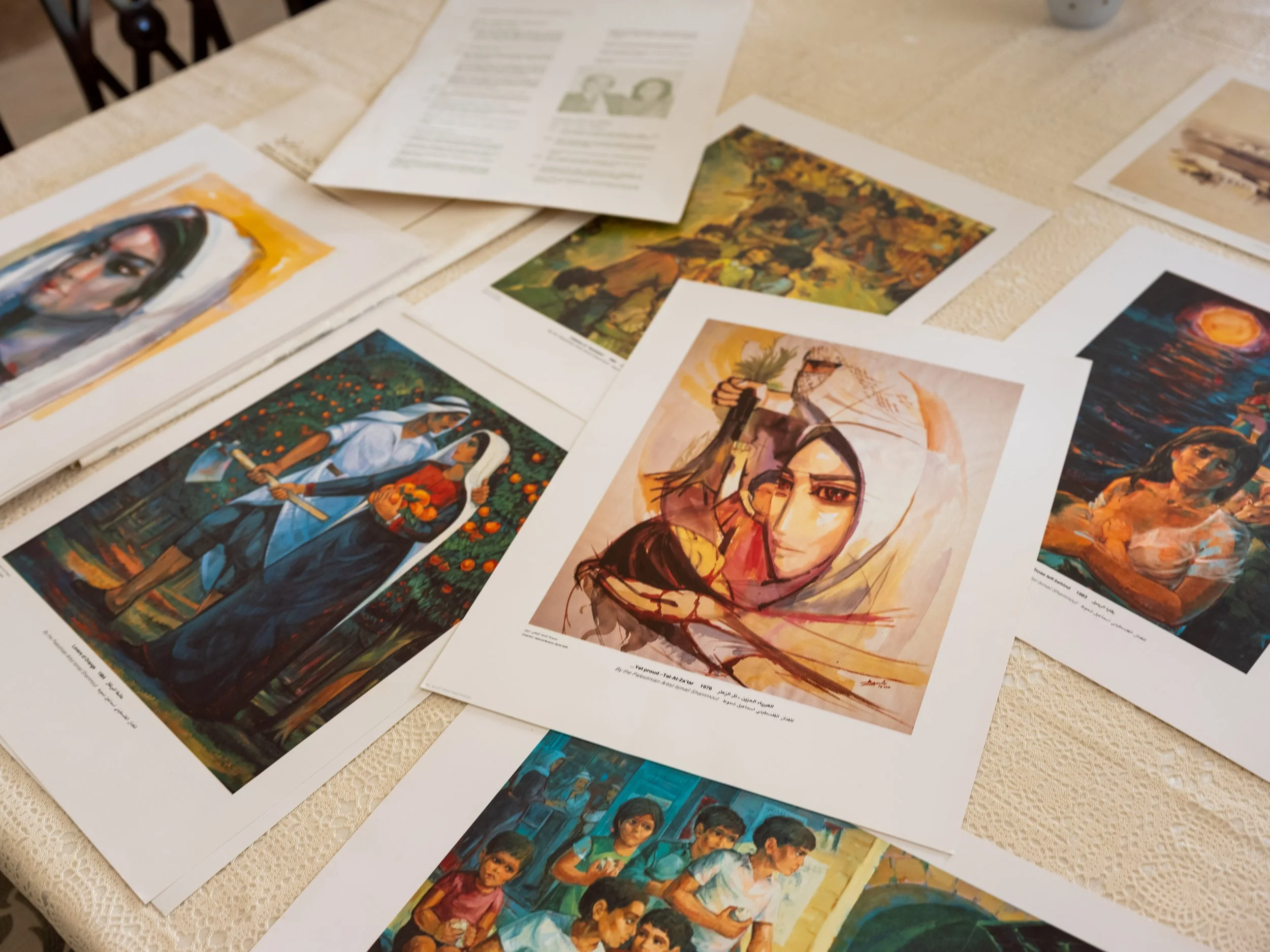
Paintings by Palestinian artist Ismail Shammout
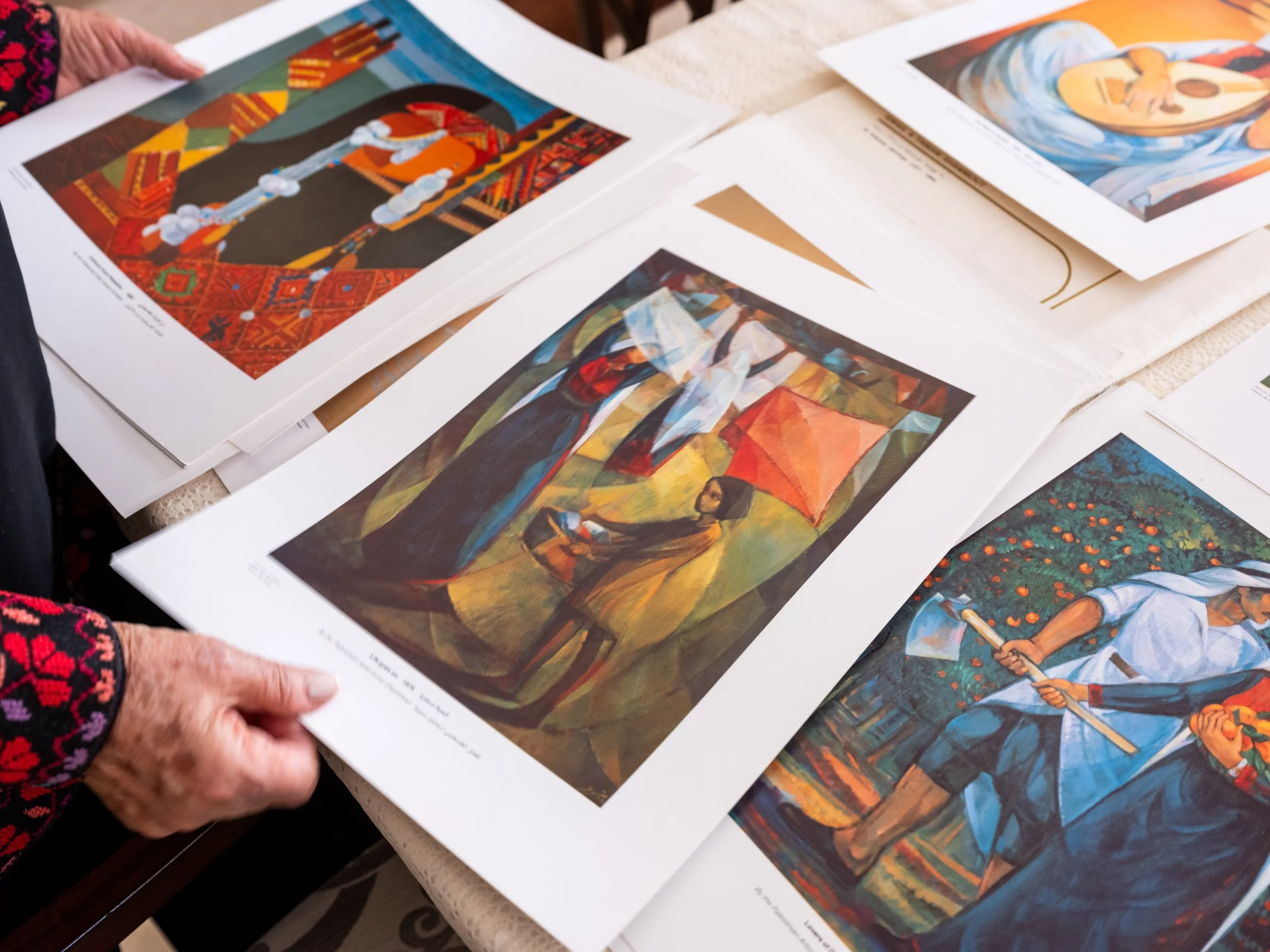
This painting was her favorite. It showed an act that was so simple, but to the Palestinian was an act of living and continuing life.
She loved showing me everything around her home. Her home was full of art and symbols. Her curation is an extension of her love for Palestine and her Palestinian identity. She asked me to take a photo of her with one of her artworks on the wall and a watermelon plushy that her granddaughter gifted her.
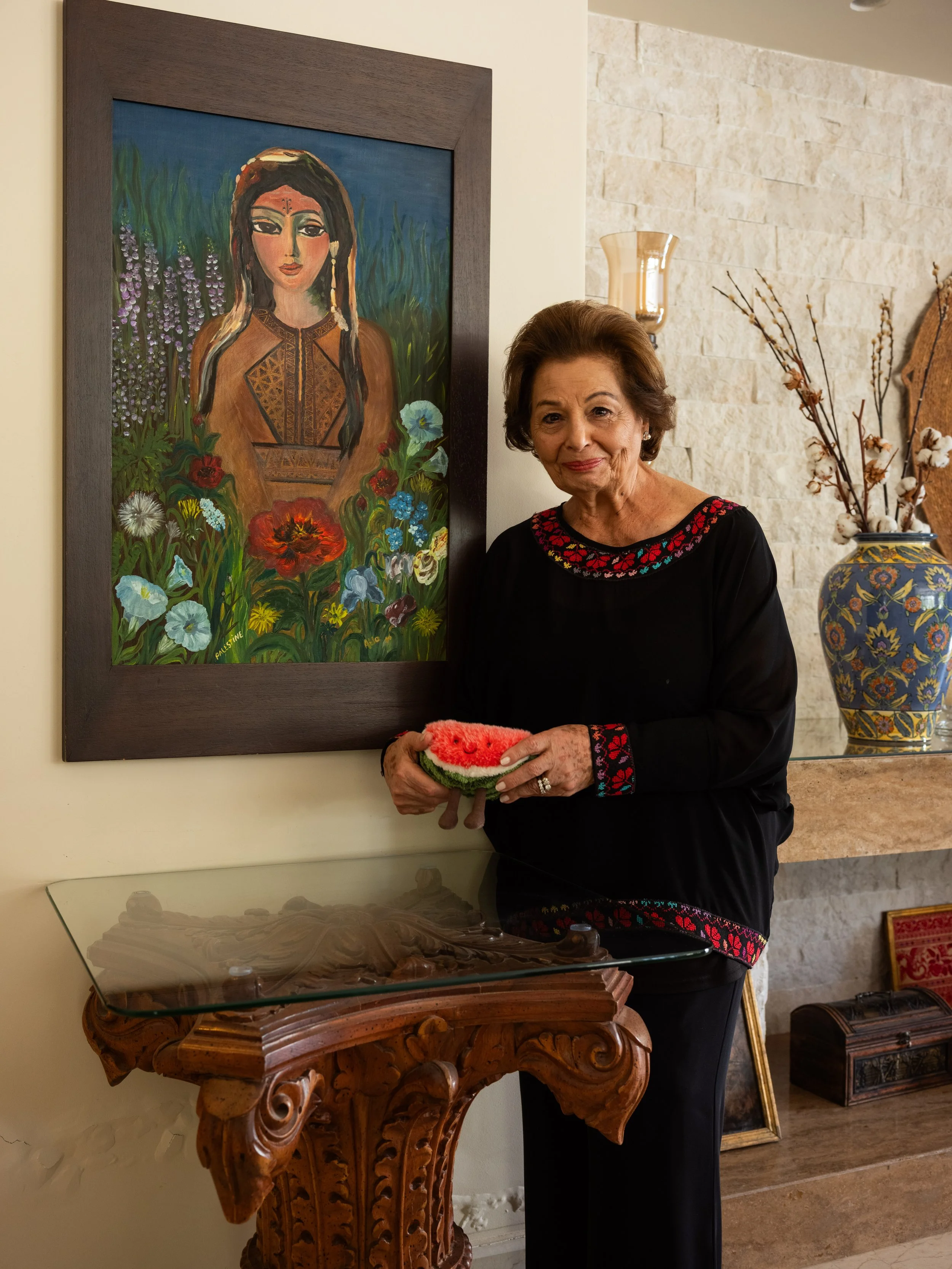
Both the painted woman and her were carrying a red symbol of Palestine.
This one sculpture was particularly appealing to me. It was a sculpture of a lion. I asked her what this one meant to her. She loved the symbolism of a lion. The lion’s strength and pride. She felt it appropriate to have in the house.
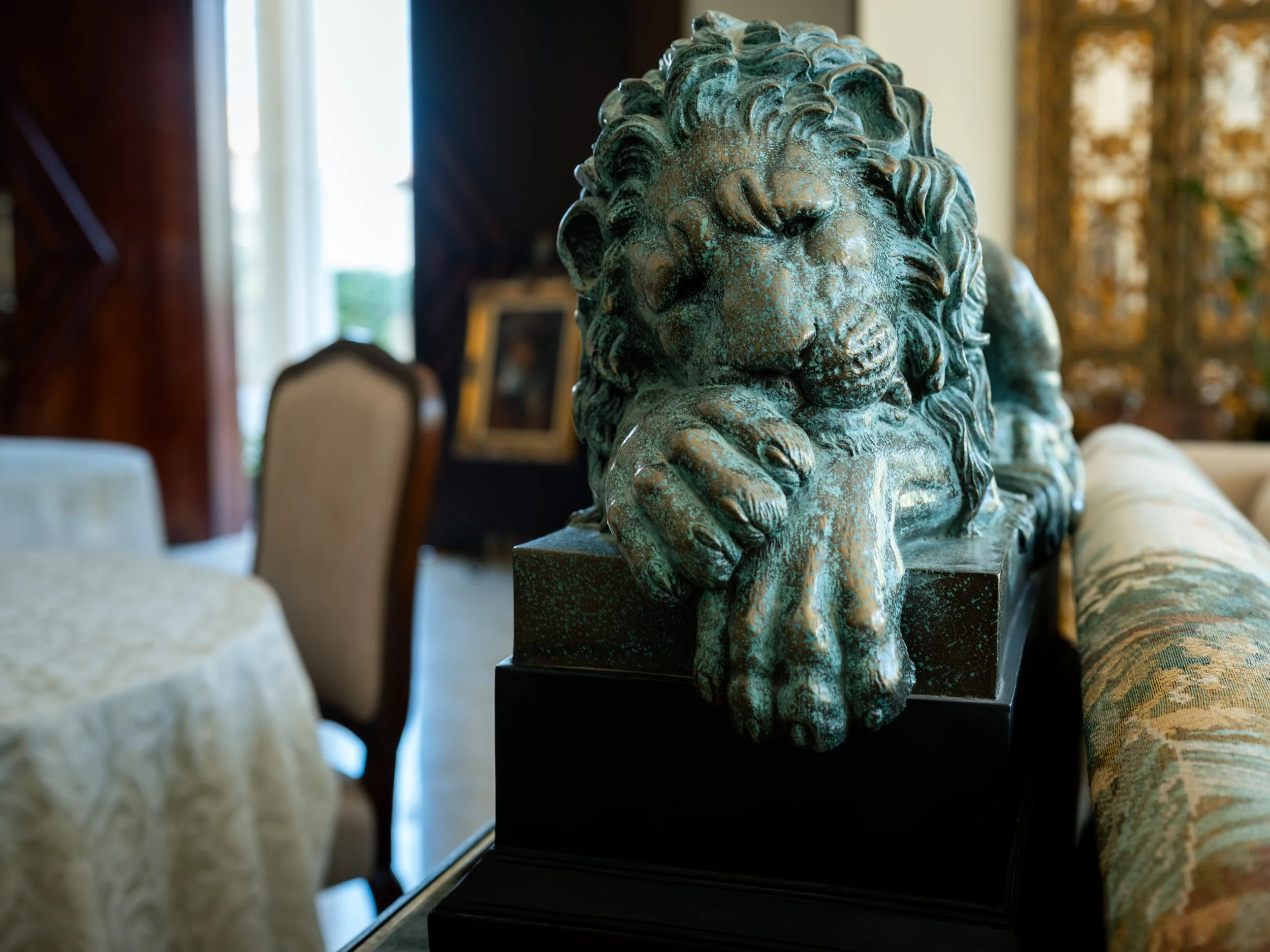
I asked Teta Reema what this sculpture mean to her. She said that she loves the symbolism of the lion, its courage, its pride.
Towards the end of my visit, Faisal’s great uncle came for a visit with some baklava. We got to talking for a bit and started discussing his relationship to Palestine. Being the youngest sibling, he has no real recollection of his exit from Palestine. He has also lived away from this region for most of his life. He currently lives in the United States with his American wife.
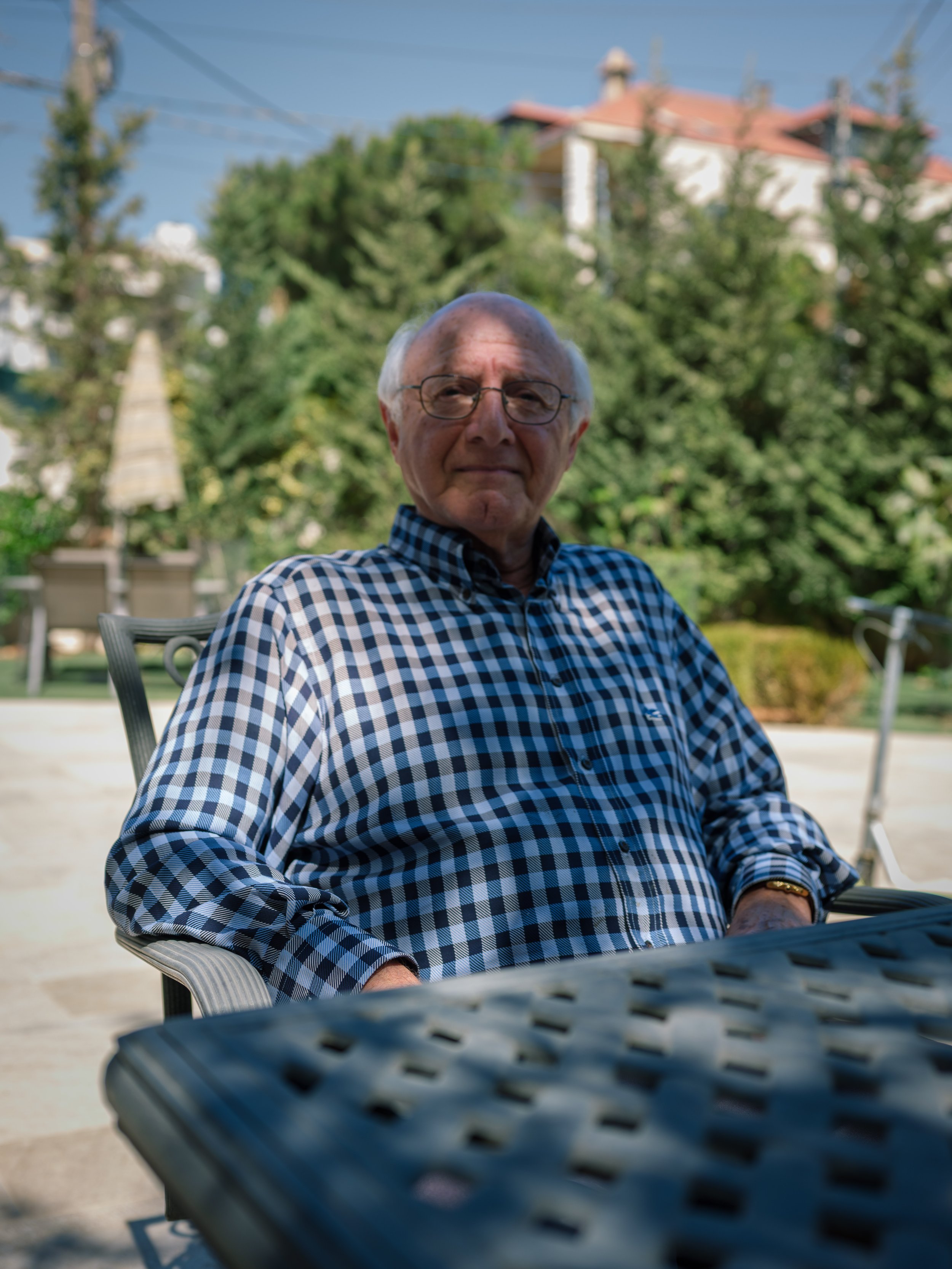
Faisal’s great uncle, Teta Reema’s younger brother. People within the same family can have totally different experiences.
Before I left, I made sure to take a photo of grandmother and grandson. Faisal is a lawyer with the gift of eloquence and connection, something I saw in both his grandparents that I know he will use for good. I saw in their similar eyes endearing souls marked by life’s tribulations transformed into hard work and a blessed family.